Introduction
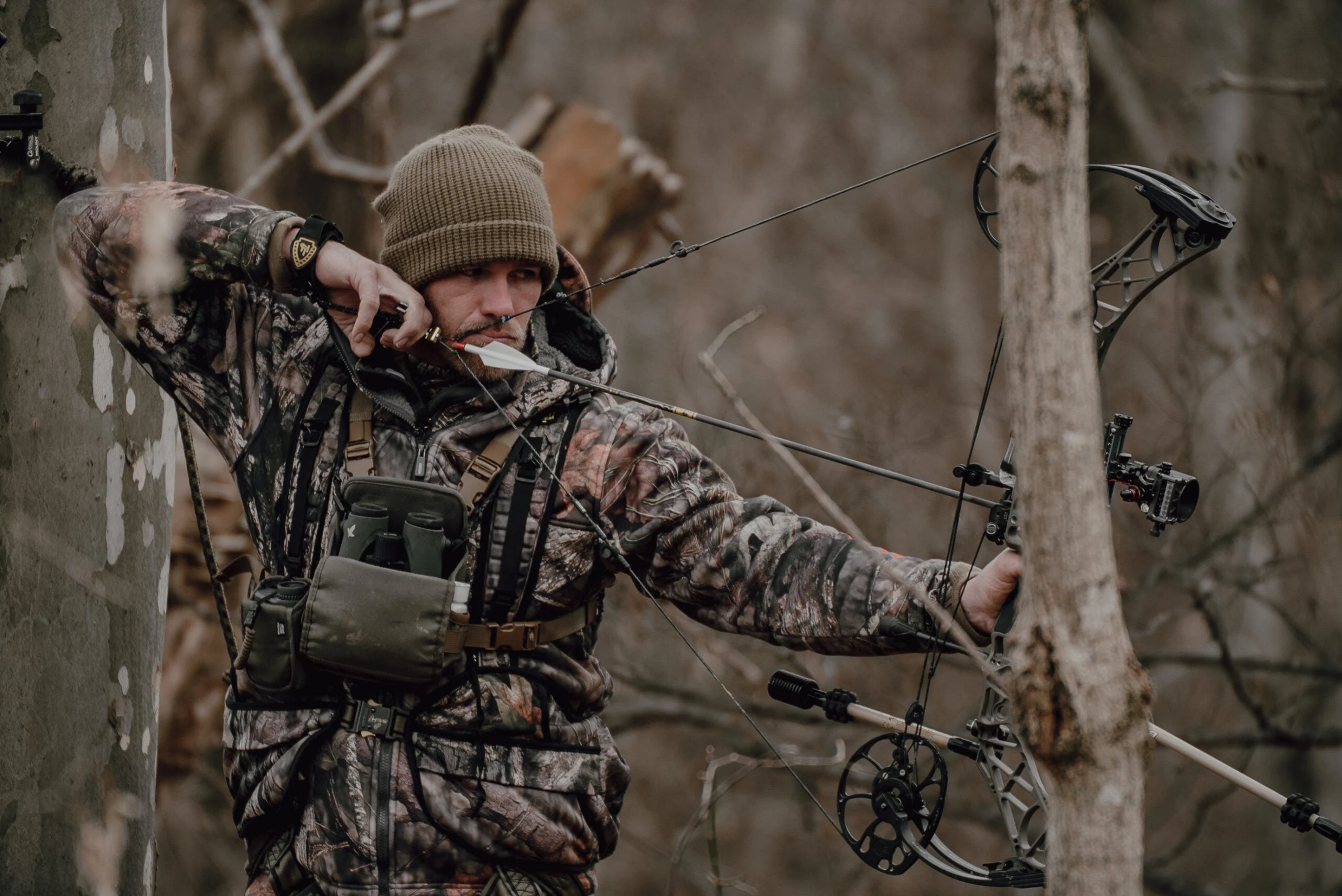
When it comes to bowhunting, stealth is just as important as skill. Staying quiet and minimizing noise can make all the difference between a successful hunt and scaring off your prey. Animals are incredibly sensitive to sound, so even the smallest rustle or movement can alert them to your presence.
In this guide, we’ll explore several tips and techniques that will help you stay quiet while bowhunting. From gear selection to hunting techniques, these tips will ensure you remain undetected and improve your chances of getting closer to your target.
1. Choosing the Right Clothing for Quiet Movement
The first step in staying quiet while bowhunting is selecting the right hunting clothing. Not all fabrics are created equal—some materials are much noisier than others, especially when they rub against each other or brush against foliage.
What to Look For:
- Soft Materials: Look for clothing made from soft, quiet fabrics like fleece, brushed cotton, or microfleece. These materials absorb noise and are less likely to make a rustling sound.
- Avoid Nylon and Polyester: Materials like nylon or polyester are often too stiff and noisy, especially when moving through thick brush or undergrowth.
- Silent Features: Many modern hunting garments feature “silent technology” designed to reduce noise, such as quilted liners or soft-shell fabric.
Recommended Gear:
Silent Hunting Jacket: Made from high-performance soft-shell fabric, it helps reduce noise while offering breathability and flexibility for stealthy movements.
2. Use Quiet Footwear
Your feet are one of the loudest parts of your body when it comes to moving silently in the wild. The right footwear can significantly reduce the noise you make while walking or stalking prey.
What to Look For:
Your feet are one of the loudest parts of your body when it comes to moving silently in the wild. The right footwear can significantly reduce the noise you make while walking or stalking prey.
What to Look For:
- Rubber Soles: A good pair of hunting boots should have rubber or cushioned soles, which provide grip without making unnecessary noise.
- Soft Midsole: Look for boots with soft midsoles that won’t create a crunching sound when walking over dry leaves or twigs.
- High-Ankle Support: Boots that provide ankle support help you navigate difficult terrain with ease and maintain quiet movement.
How to Use Footwear Quietly:
- Walk with Care: Always focus on making slow, deliberate steps. Avoid stomping or heavy steps.
- Heel-to-Toe Movement: Walk in a heel-to-toe motion to keep the sound of each step as quiet as possible.
3. Minimize Movement
Even when you're wearing quiet clothing and footwear, movement can still make a lot of noise. The key is to minimize unnecessary movements and focus on deliberate, controlled actions.
What to Do:
- Slow and Steady Movements: When drawing your bow or aiming, move slowly and deliberately. Avoid sudden, jerky movements that could snap branches or alert animals.
- Control Your Hands: Be mindful of your hands, especially when adjusting your gear or drawing your bow. Moving your hands too quickly can cause noise, especially if your fingers brush against fabric or other equipment.
- Keep Your Bow Silent: When drawing your bow, make sure you do so smoothly. Many modern compound bows have mechanisms that reduce noise, but any sudden jerks or rough movements will create sound.
4. Camouflage Your Equipment
Your hunting gear can also give away your position if it's not properly camouflaged. Silent hunting doesn’t just apply to your clothing—it applies to your bow, arrows, and other equipment.
What to Do:
- Use Camouflage Patterns: Choose equipment that matches your hunting environment. Whether you’re in forests, fields, or wetlands, using gear with the right camouflage patterns will make it blend in better, reducing visibility and noise.
- Cover Your Bow: A simple, effective way to keep your bow from making noise is to cover it with a soft, quiet material when you’re not using it. A bow bag or bow sleeve can also protect your gear from twigs and branches that might scratch or scrape.
5. Be Mindful of Wind and Environmental Factors
While movement and gear are important, wind and weather can also affect how quietly you can move while bowhunting. Strong winds can help mask some noise, but calm, quiet days can make every sound more noticeable to wildlife.
What to Do:
- Use the Wind to Your Advantage: Try to position yourself so that the wind is at your back or moving in the same direction you’re walking. This will help mask the sound of your footsteps and any noise you might make while drawing your bow.
- Avoid Crunching Leaves or Twigs: In dry conditions, even walking through a patch of leaves can make significant noise. When possible, stick to paths where the ground is softer, or walk in areas where there is a layer of snow or damp earth.
6. Practice Stealth in Your Hunt
Finally, the best way to stay quiet while bowhunting is through practice. The more you practice silent movement, the more natural it will become.
Tips for Practicing Stealth:
- Stalk in Different Environments: Practice moving quietly through different types of terrain, such as grasslands, forests, and brushy areas. Each environment presents unique challenges in terms of noise.
- Practice Drawing and Aiming Silently: Spend time drawing and aiming your bow while paying close attention to minimizing any noise, whether it’s the creak of the bow or the swish of your arrow.
- Silent Walking Drills: Take time to practice walking slowly and silently, focusing on your foot placement and posture.
Conclusion: Perfect the Art of Silent Bowhunting
Staying quiet while bowhunting is an essential skill that can greatly increase your chances of success. By selecting the right gear, minimizing movement, and practicing stealth techniques, you can become a more effective and silent bowhunter. Remember, every detail counts, from the clothing you wear to the way you handle your equipment.