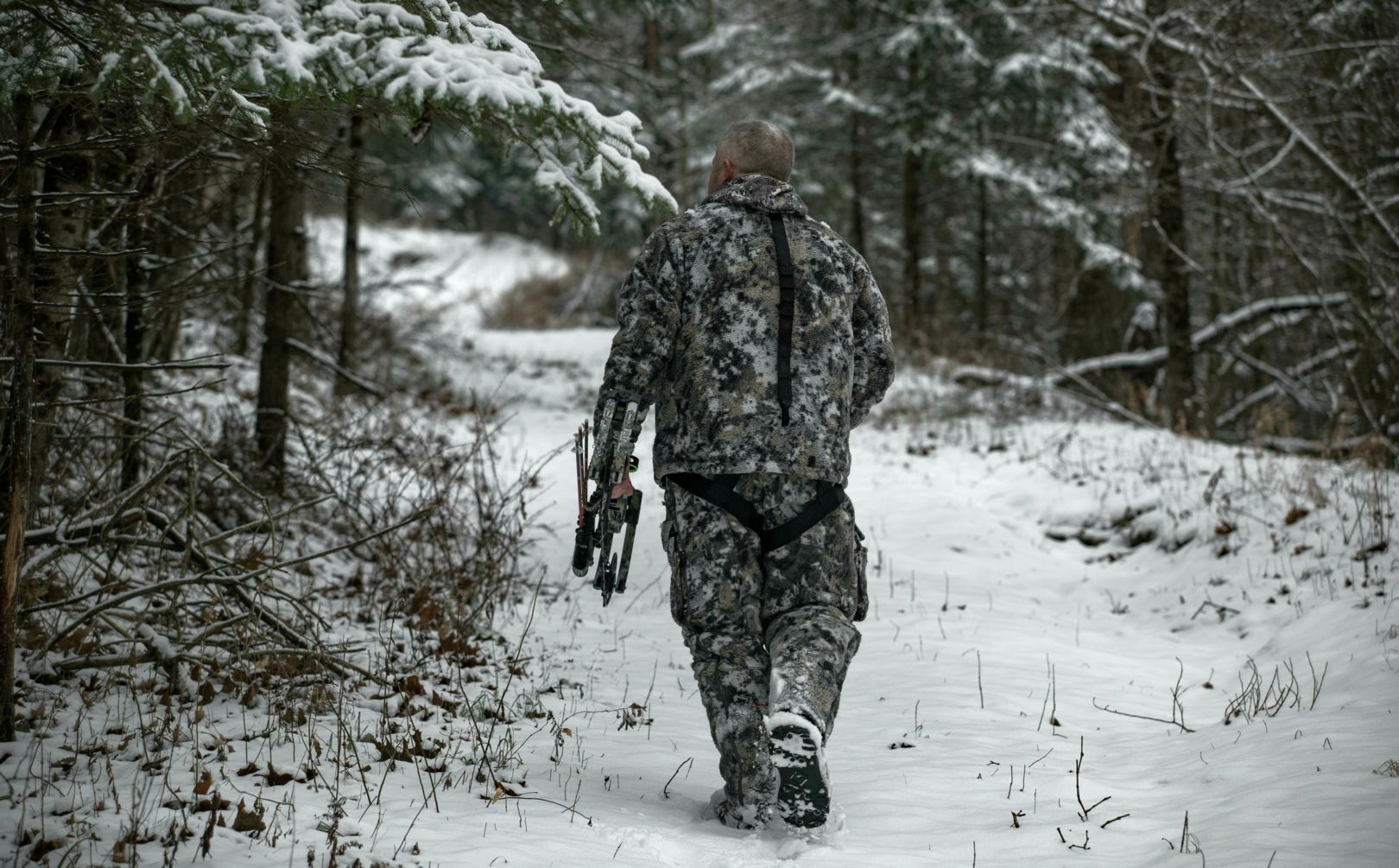
Best Bowhunting Techniques for the Late Season: Winter Success Strategies
Late-season bowhunting presents unique challenges and rewards for the dedicated hunter. With colder temperatures, fewer daylight hours, and less active game, hunters need a refined strategy to succeed during the winter months. In this comprehensive guide, we’ll explore the best bowhunting techniques for the late season, including tips for hunting in extreme cold, strategies for tracking game, and how to adapt your gear for optimal performance.
Whether you’re using a compound bow or a recurve bow, mastering the late-season techniques outlined here will increase your chances of harvesting game during the coldest months.
VJX5AUP-RS-R)5)AF-Y.png?w=800&h=647)
Why Late-Season Bowhunting Is Different
The late season is often viewed as a challenging time for bowhunters, but it also offers unique advantages if you know how to adapt. As temperatures drop, animals change their behavior, and the environment becomes more difficult to navigate. While some hunters may put away their bows, late-season hunting can be some of the most rewarding—if you know what you’re doing.
Late-season bowhunting often requires a combination of patience, preparation, and adaptability. Animals like deer are less active, but they still need food and water, making certain areas prime targets for hunters.
1. Understanding Late-Season Behavior of Deer and Other Game
Deer Behavior in the Late Season
- As the temperature drops and food sources become scarce, deer become more focused on feeding and conserving energy. Late-season deer hunting requires you to know where these food sources are and how deer react to their environment.
- Food Sources: Deer will often move to food-rich areas such as agricultural fields (corn, soybeans), or natural foraging zones like acorn-rich forests and bushes.
- Movement Patterns: Deer become more nocturnal during the late season, making early morning and late evening hunts more successful. This is when deer are most likely to feed.
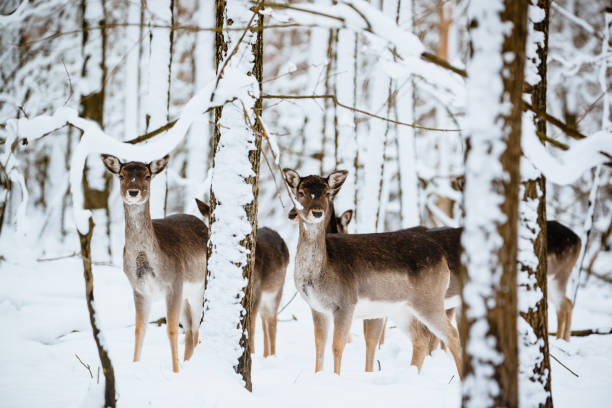
Other Game in Winter
In addition to deer, many hunters pursue other species such as wild boar, elk, or turkey. These animals also exhibit similar late-season behavior: conserving energy, staying close to shelter, and moving primarily during feeding hours.
2. Late-Season Bowhunting Strategies: Tactics for Success
Now that you understand the behavior of your quarry, let’s dive into the specific bowhunting strategies for the late season.
A. Stand Placement and Location Choice
Late-season deer will frequent feeding zones, but they tend to avoid open areas during the day. Your stand placement should take this into account.
Key Tips for Stand Placement:
Set up near food sources: If you can find a bedding area near an agricultural field or a feeding zone, your chances of success increase dramatically.
Choose areas with cover: Deer are still cautious in the late season, and they are more likely to come to a spot where they can quickly retreat into cover if needed.
Use wind direction to your advantage: Late-season deer are especially sensitive to scent, and you’ll need to ensure your stand is positioned so that your scent doesn’t reach the deer.
Recommended Gear for Late-Season Stand Hunting
For your late-season hunts, make sure you’re equipped with the best tools, such as quiet bow releases, wind-checking devices, and insulated hunting clothing to stay comfortable and stealthy.
B. Adapt Your Bow Setup for Late-Season Hunting
Cold temperatures can affect your equipment, so it’s important to ensure your bow setup is tuned and ready to perform.
Key Adjustments:
Increase your draw weight: Late-season hunting can require more power for longer shots. If you're targeting larger game like wild boar or elk, consider increasing your draw weight to 50–70 lbs to ensure maximum penetration.
Bowstring Care: Cold weather can cause bowstrings to lose tension and performance. Make sure you’re using high-quality, cold-resistant bowstrings, and don’t forget to wax them regularly.
Arrow Selection: Choose arrows with heavier shafts for improved flight stability and better penetration.
You can easily insert links to products like hunting compound bows, broadheads, and high-performance bowstrings here.
C. Patience and Timing: The Importance of Hunting Early and Late
Since deer and other animals are more active during dawn and dusk in the late season, the right timing is critical.
Early Morning Hunts: Set up well before sunrise to take advantage of the low-light conditions. Deer are most likely to be moving into feeding areas.
Late Afternoon Hunts: Deer often feed more heavily before heading to their bedding areas, which makes late afternoon hunts particularly successful.
3. Preparing for Cold-Weather Hunting: Gear and Comfort Tips
Cold weather can make hunting more uncomfortable, but with the right gear, you can make the experience much more manageable.
Essential Gear for Late-Season Bowhunting:
Insulated Clothing: Stay warm without sacrificing mobility. Look for insulated jackets, pants, and thermal layers to keep you warm and stealthy.
Cold-Weather Gloves: Choose fingerless gloves or gloves with removable tips for ease of handling your bow and shooting your arrow.
Boots and Footwear: Choose insulated boots that are waterproof and designed to keep your feet dry in cold and snowy conditions.
Scent Control: Use scent-blocking gear and sprays to cover your scent, especially when deer are more cautious during the late season.
4. Frequently Asked Questions (FAQ)
Q1: How do I find deer in the late season?
In the late season, look for deer in food-rich areas, such as agricultural fields or oak stands with acorns. Deer typically focus on feeding and will return to these areas, especially in the early morning and late afternoon.
Q2: Is it better to hunt in the morning or evening during the late season?
Late-season hunts are most successful during dawn and dusk when deer are more active. Early mornings tend to be better for spotting deer as they move to feed, while late afternoons are ideal for intercepting them before they head back to bedding areas.
Q3: How can I prevent my bow from freezing in cold temperatures?
To prevent your bowstring and cams from freezing, keep your bow in a warm environment when not in use. Regularly wax your bowstring to ensure it stays functional and smooth in cold temperatures.
5. Conclusion: Winter Hunting Success Begins with Preparation
Late-season bowhunting can be one of the most rewarding times to hunt. With the right strategies, patience, and gear, your chances of success increase dramatically. Focus on understanding animal behavior, perfecting your stand placement, and adapting your bow for colder conditions to make the most of this hunting season.
Don’t forget to check out our full line of hunting bows, broadheads, and bow accessories to ensure your late-season hunting is successful.